New Jersey's Largest City & Port
Listings in Newark City, NJ
Welcome to Newark, New Jersey's largest city — a historic port and transit hub home to a revitalized downtown, the Ironbound, and world-class universities.
Newark is the most populous city in New Jersey, the seat of Essex County, and a principal city of the New York metropolitan area. It sits at the mouth of the Passaic River, where the waterway flows into Newark Bay, a location that has made its waterfront central to the Port of New York and New Jersey. As of the 2020 census, the city's population was about 311,000. Founded in 1666 by Puritans from the New Haven Colony, Newark is among the oldest cities in the United States. It rose to prominence as an industrial center, pioneering leather tanning and metalworking and later hosting breweries and manufacturers such as Tiffany & Co. In the 20th century, the city's economy pivoted increasingly toward transportation and logistics: Port Newark–Elizabeth became the primary container terminal of the busiest seaport on the U.S. East Coast, and Newark Liberty International Airport developed into a major global gateway. Today Newark is a city of dense, historically layered neighborhoods and significant institutions. University Heights is home to Rutgers University-Newark, the New Jersey Institute of Technology, Rutgers Law School, New Jersey Medical School, and Essex County College, together enrolling tens of thousands of students. Downtown anchors the region's culture and entertainment through the Prudential Center, the New Jersey Performing Arts Center, and the Newark Museum of Art, while the Ironbound stands out as a celebrated dining district. Branch Brook Park, the nation's first county park, holds the largest collection of cherry blossom trees in the country. For homebuyers, Newark offers urban living with rapid transit to Manhattan, a wide range of housing from historic rowhouses to new downtown apartments, and proximity to major employers in health care, education, logistics, and finance. It appeals to commuters, students, and families drawn to a culturally rich city with 24-hour transit links and a lower cost profile than many parts of the New York metro.
Get more information about Newark City
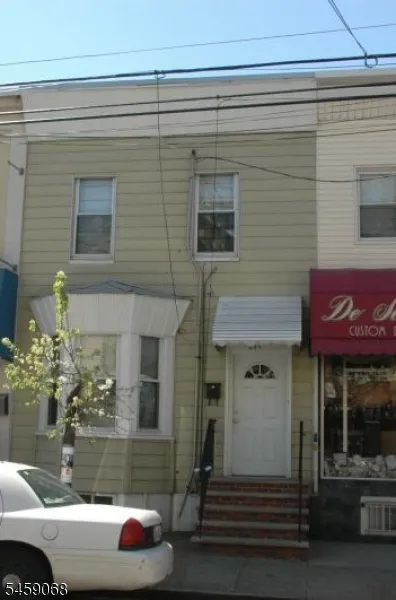
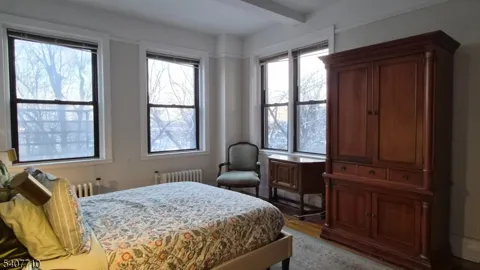
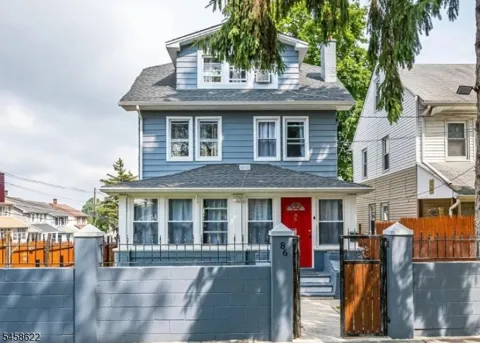
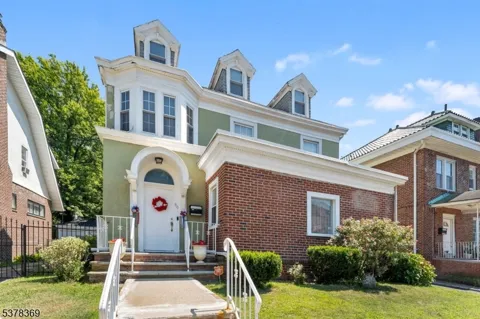
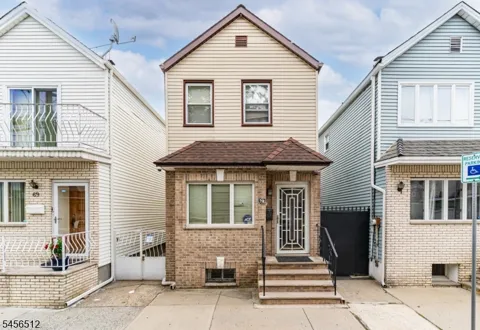
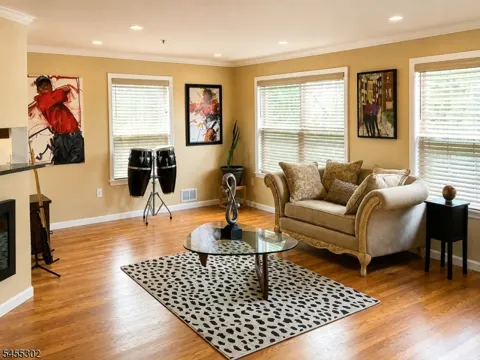
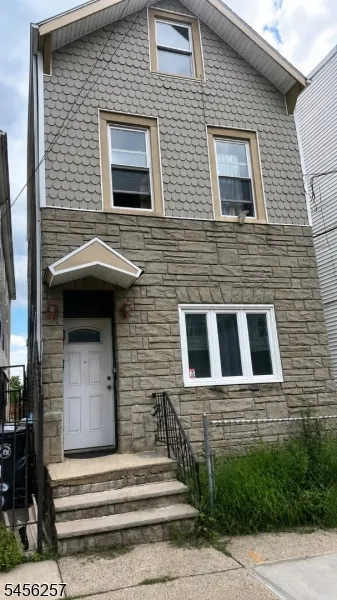
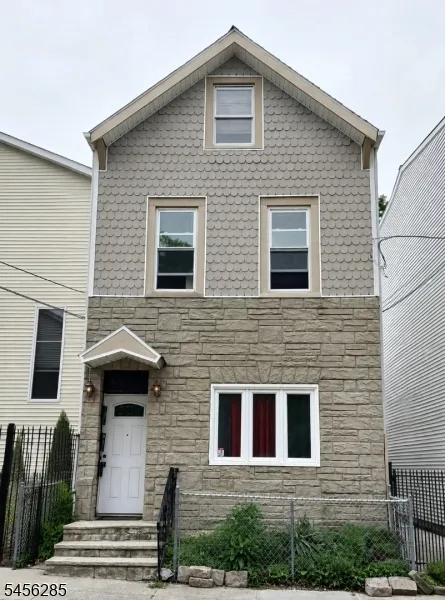
 4 photos
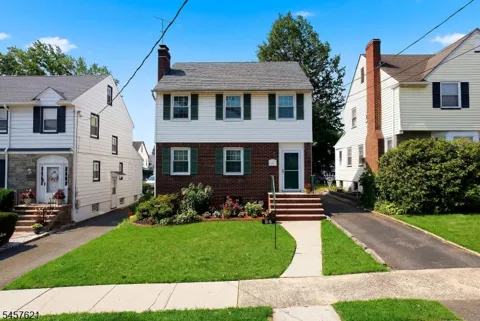
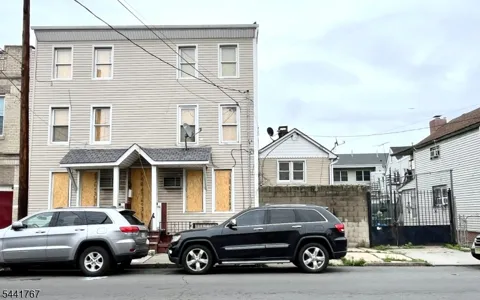
Houses in Newark City, NJ

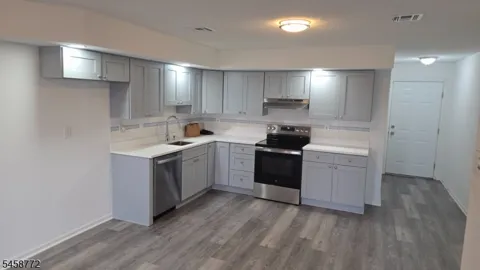
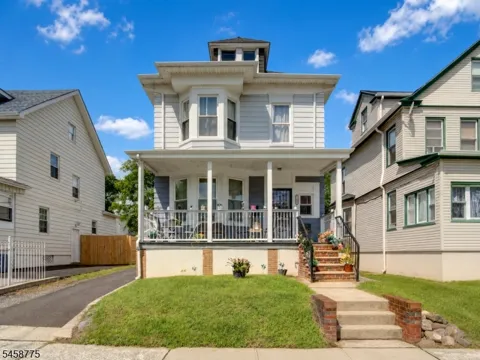
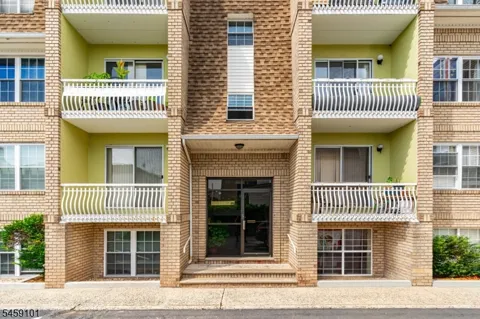





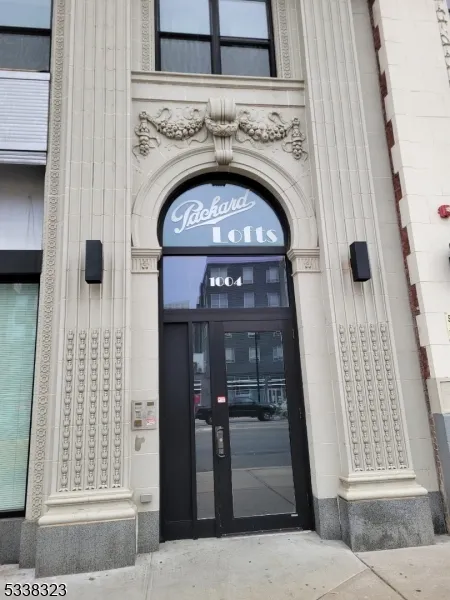


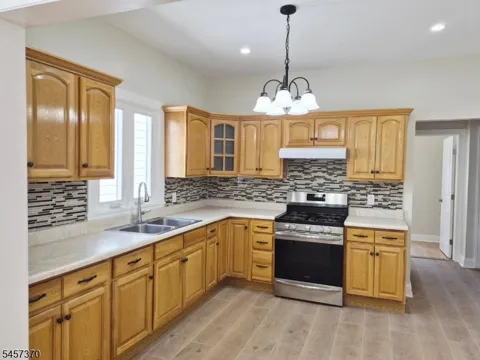
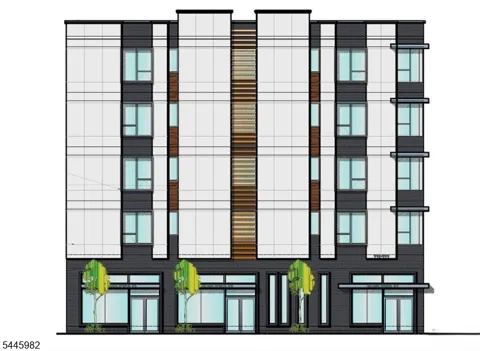
Condos & Apartments in Newark City, NJ


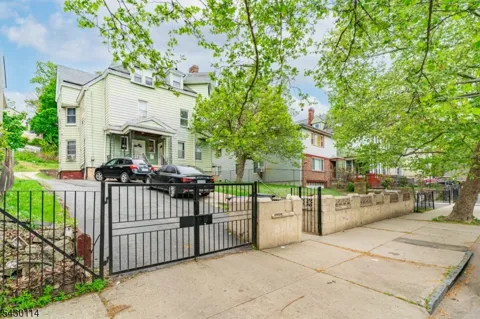


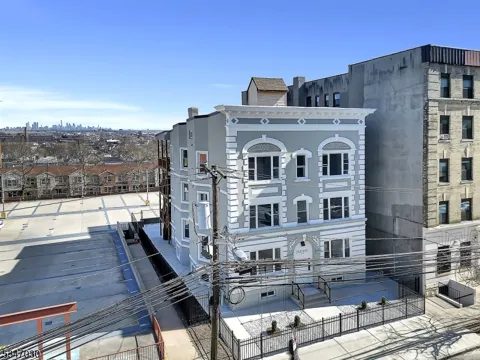


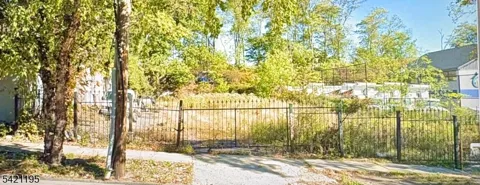
Lots & Land in Newark City, NJ
MARKET SNAPSHOT
The Market at a Glance
How homes have been selling here over the last 90 days.
Price & Sales History
Market data reflects closed sales over the last 90 days and is provided for informational purposes.
Zip Codes
BROWSE BY ZIP
Browse listings by postal code in this area.





City Guide
About Newark City
Real Estate & Housing
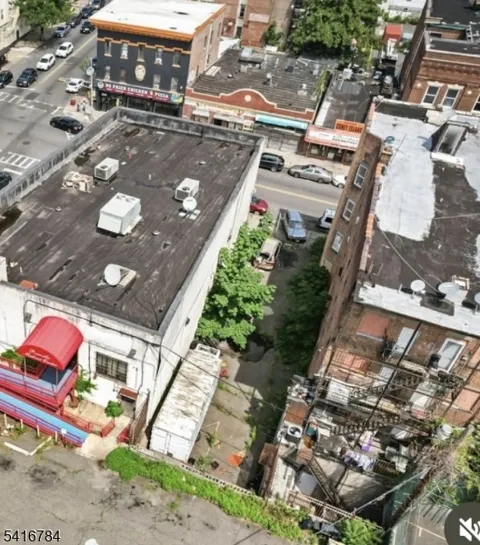
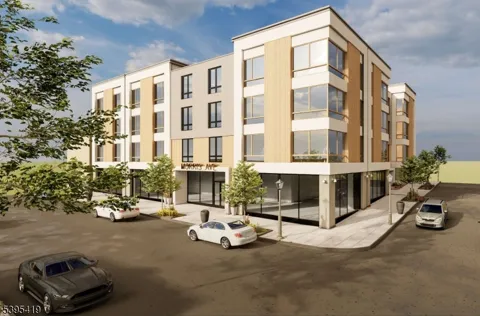
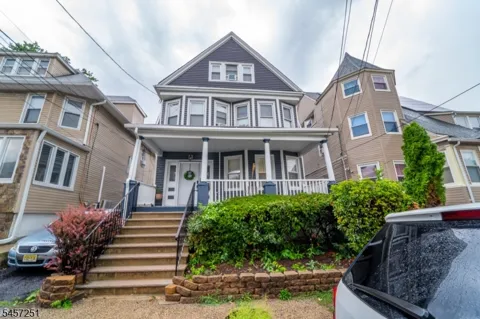
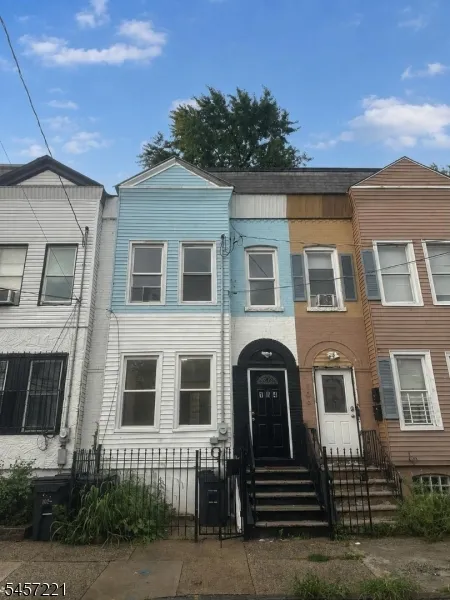
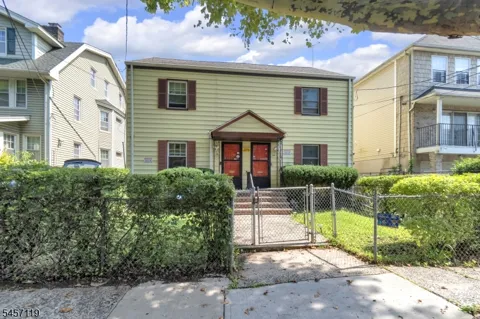
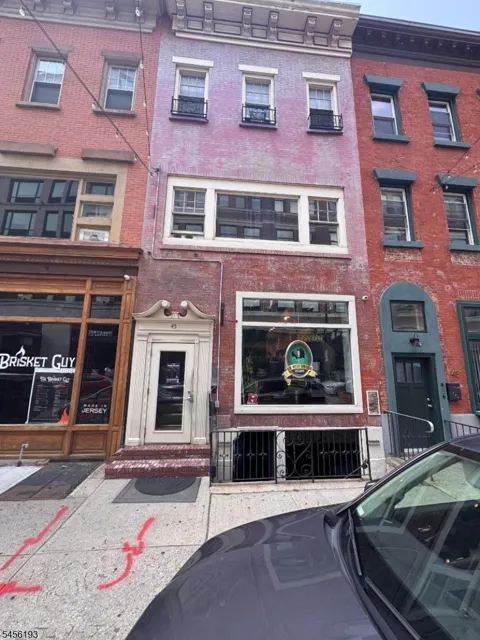
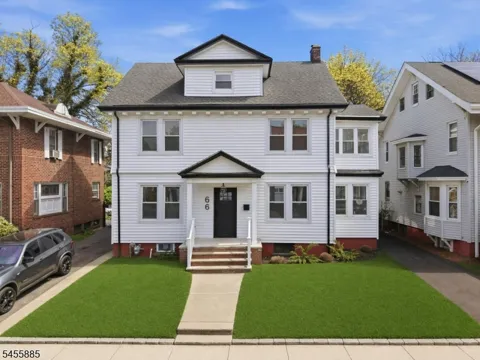
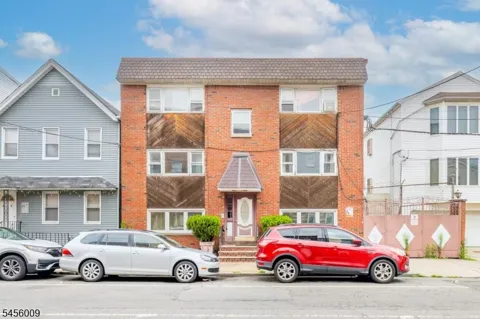
Newark's housing stock reflects its long urban history and recent redevelopment. The city's neighborhoods hold a mix of attached rowhouses, multi-family homes, and pre-war apartment buildings, with Forest Hill known for its large historic homes and mansions and the Ironbound for its dense, walkable rowhouse blocks. Downtown and the area around Penn Station and University Heights have seen substantial new construction, adding apartment and condominium buildings that serve commuters and students. Single-family homes are more common in the city's outer wards, while converted multi-family properties dominate much of the core. The market skews toward renters and first-time buyers, with strong demand driven by transit access, universities, and the city's role as a lower-cost alternative to Manhattan and nearby Hudson County.
Neighborhoods
Newark's neighborhoods are diverse and distinct. The Ironbound, east of Penn Station, is a dense, multi-ethnic community famous for its Portuguese, Brazilian, and Spanish dining along Ferry Street. Downtown and the Central Business District hold the city's offices, arenas, and cultural venues, surrounded by newer apartments. University Heights, named for Rutgers-Newark, NJIT, and the city's medical and law schools, is a walkable, student-oriented district. Forest Hill, in the North Ward, is known for its historic mansions and tree-lined streets near Branch Brook Park, while neighborhoods such as Upper Roseville, Weequahic, and the North Ironbound offer residential character and access to parks and transit. Each area balances housing type, school options, and proximity to the city's two rail stations.
Lifestyle in Newark City
Newark offers an urban, culturally rich lifestyle with unmatched regional connectivity. Downtown is anchored by major institutions — the Prudential Center arena for sports and concerts, the New Jersey Performing Arts Center, and the Newark Museum of Art — while the Ironbound's Ferry Street is one of the region's great dining destinations, known for Portuguese, Brazilian, and Spanish restaurants. The University Heights district brings a strong student and academic presence, and the city's diverse neighborhoods each contribute distinct food, retail, and community traditions. Branch Brook Park's cherry blossoms draw crowds each spring, and the 24-hour PATH service keeps Manhattan within about 20 minutes. For residents, Newark combines genuine urban amenities, cultural institutions, and a fast rail commute to New York.
Schools & Education
Newark's public schools are operated by the Newark Public Schools district, which serves the entire city with 64 schools and more than 40,000 students, and the city also has a substantial charter school sector. Higher education is a defining feature: the University Heights district hosts Rutgers University-Newark, the New Jersey Institute of Technology, Rutgers Law School, New Jersey Medical School, and Essex County College, together enrolling roughly 30,000 students, with Seton Hall University nearby. Families moving to Newark typically weigh individual public school zones, magnet and charter options, and private schools, while the concentration of universities gives the city an outsized academic and research presence relative to its size.
Getting Around
Newark is one of the best-connected cities on the East Coast. Newark Penn Station is a major hub for NJ Transit's Northeast Corridor, North Jersey Coast, and Raritan Valley lines, Amtrak intercity service, and the PATH system, which runs 24 hours a day to Manhattan, Jersey City, Hoboken, and Harrison. Newark Broad Street Station adds additional NJ Transit and light rail access, and the Newark Light Rail links Penn Station to Broad Street and the city's neighborhoods. Newark Liberty International Airport, connected by AirTrain and rail, serves the region with extensive domestic and international flights, while Port Newark–Elizabeth anchors the area's freight movement. The combination of rail, air, and port infrastructure makes Newark a transportation crossroads of the New York metro.
Parks & Recreation
Newark's recreation is anchored by Branch Brook Park, the nation's first county park, which spans the North Ward and holds more than 5,300 cherry blossom trees — the largest collection in the United States — drawing crowds each spring. Weequahic Park and other city green spaces add lakes, fields, and walking paths, while the Passaic River waterfront supports ongoing park and trail improvements. Indoor recreation and entertainment are equally strong: the Prudential Center hosts professional hockey, basketball, and major concerts, and the New Jersey Performing Arts Center and Newark Museum of Art anchor the cultural scene. The city's parks, arenas, and venues, combined with easy rail access to New York, give residents a full slate of year-round activities.
About Newark City
Frequently asked questions
What county is Newark, New Jersey in?
Newark is the county seat of Essex County and the most populous city in New Jersey. It is a principal city of the New York metropolitan area, located at the mouth of the Passaic River where it flows into Newark Bay.
How many people live in Newark?
Newark had a population of 311,549 at the 2020 census, making it the largest city in New Jersey. It is part of the New York metropolitan area, with a metro division population of more than two million.
How do you get from Newark to New York City?
Newark Penn Station provides PATH rapid transit service 24 hours a day to Manhattan, Jersey City, Hoboken, and Harrison, along with NJ Transit and Amtrak rail service. The ride to Manhattan is typically about 20 minutes, making Newark a practical commuter base for New York City.
What is the Ironbound neighborhood?
The Ironbound is a large, multi-ethnic neighborhood in Newark's East Ward, directly east of Newark Penn Station. It is famous for its Portuguese, Brazilian, and Spanish restaurants and bakeries along Ferry Street, and is known for its working-class character and strong sense of community.
What universities are in Newark?
Newark is home to several institutions of higher education, including Rutgers University-Newark, the New Jersey Institute of Technology (NJIT), Rutgers Law School, New Jersey Medical School, and Essex County College. Together these schools enroll tens of thousands of students in the University Heights district.
What is Newark known for?
Newark is known for Newark Liberty International Airport, Port Newark-Elizabeth, the Prudential Center arena, the New Jersey Performing Arts Center, the Newark Museum of Art, and Branch Brook Park, which holds the largest collection of cherry blossom trees in the United States.
Still have questions about Newark City?
Get in touchExplore the area